SEURAA MEIDÄT:


 Email: zf@zfcera.com
 Telephone: +86-188 8878 5188



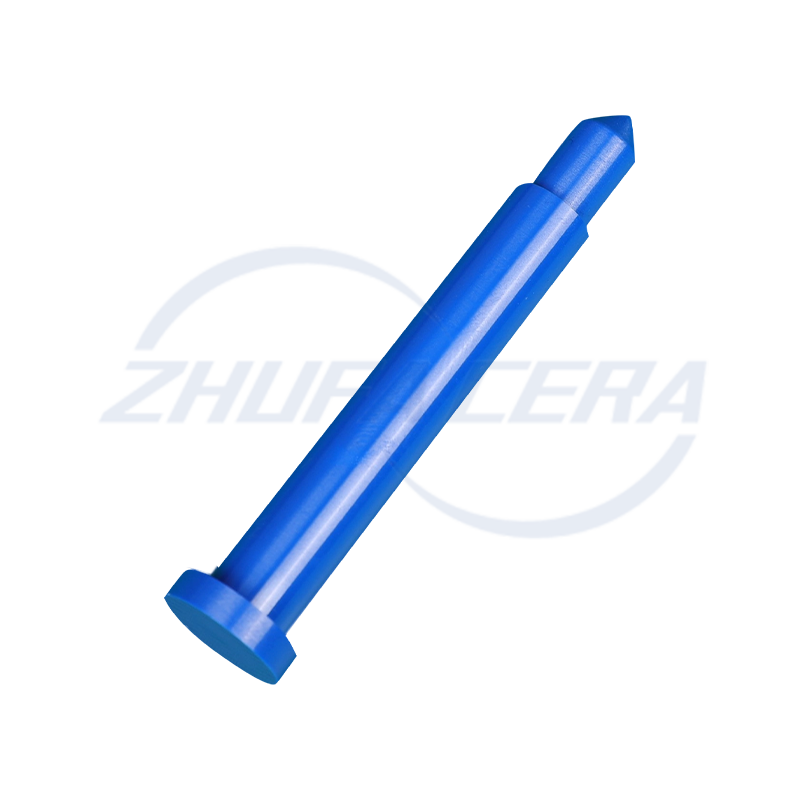
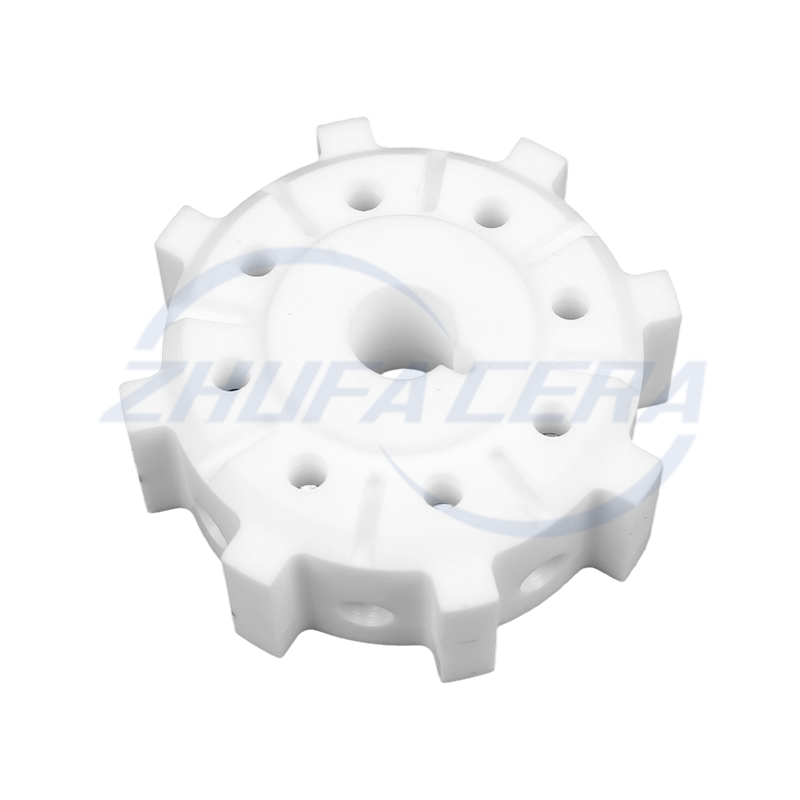
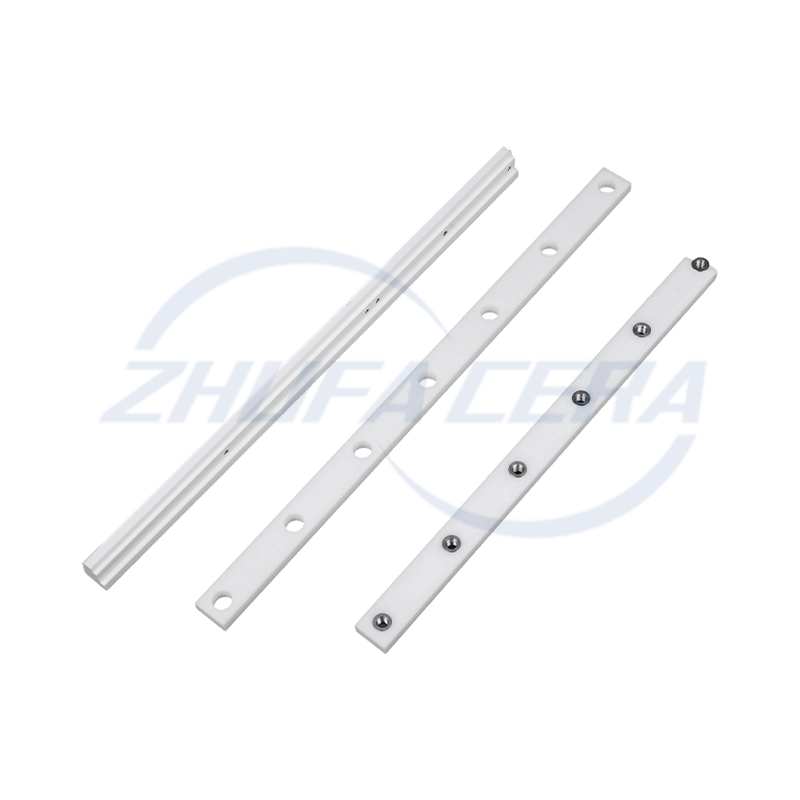
Keraamiset vakioosat
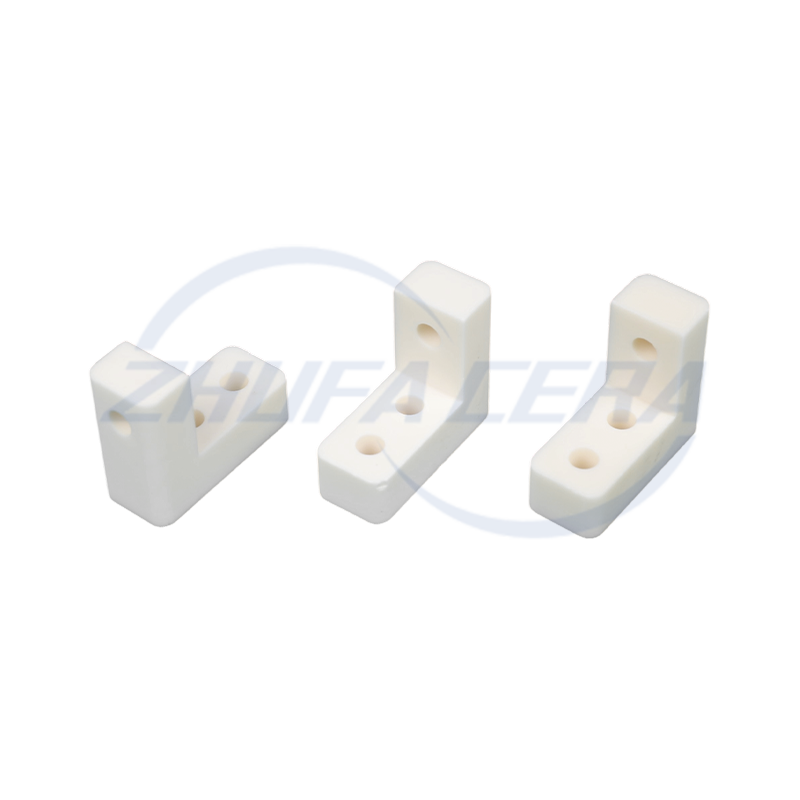
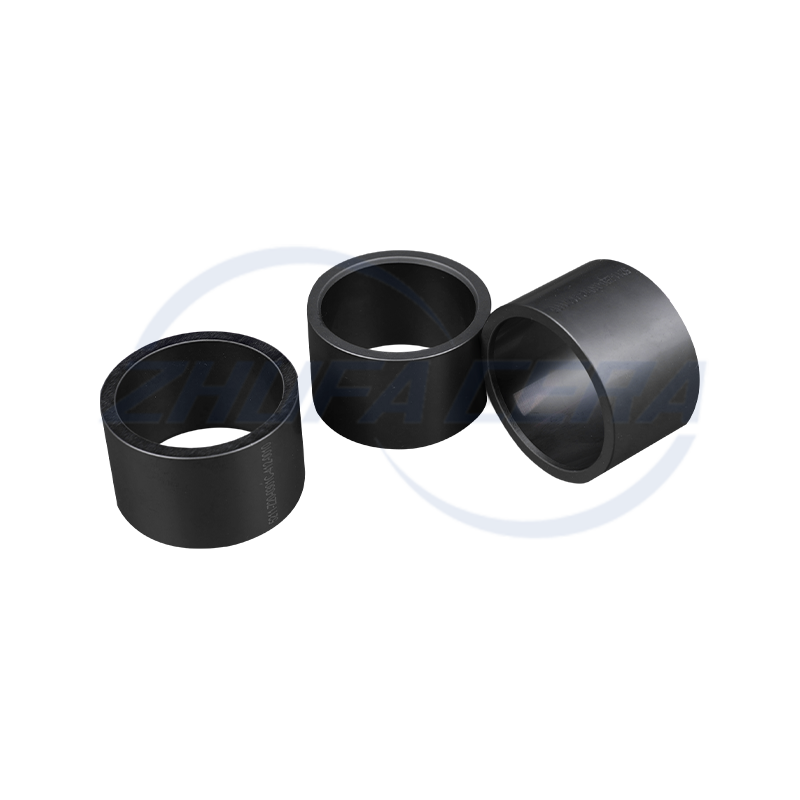
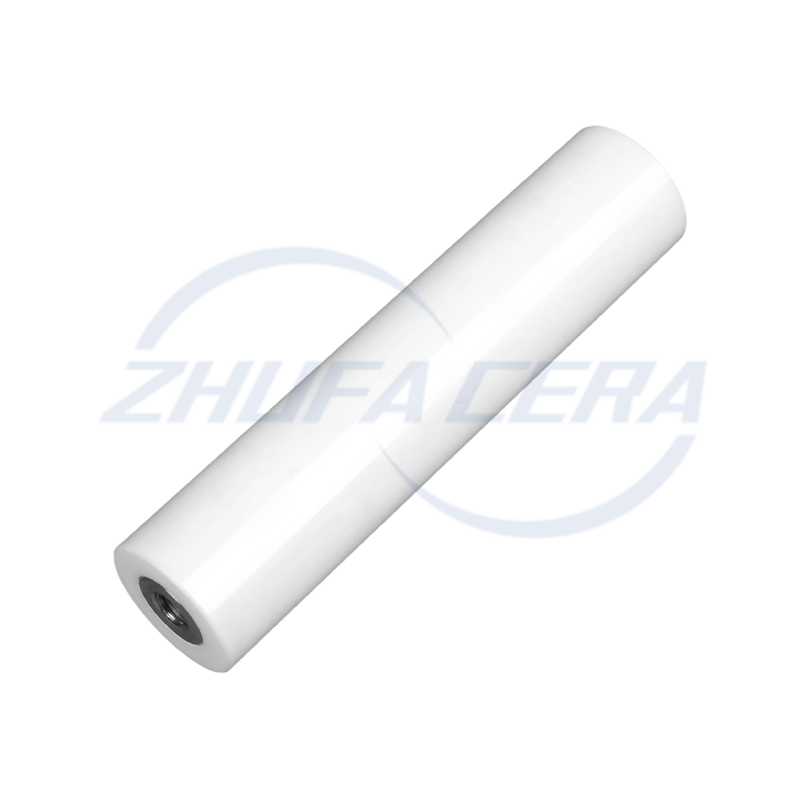
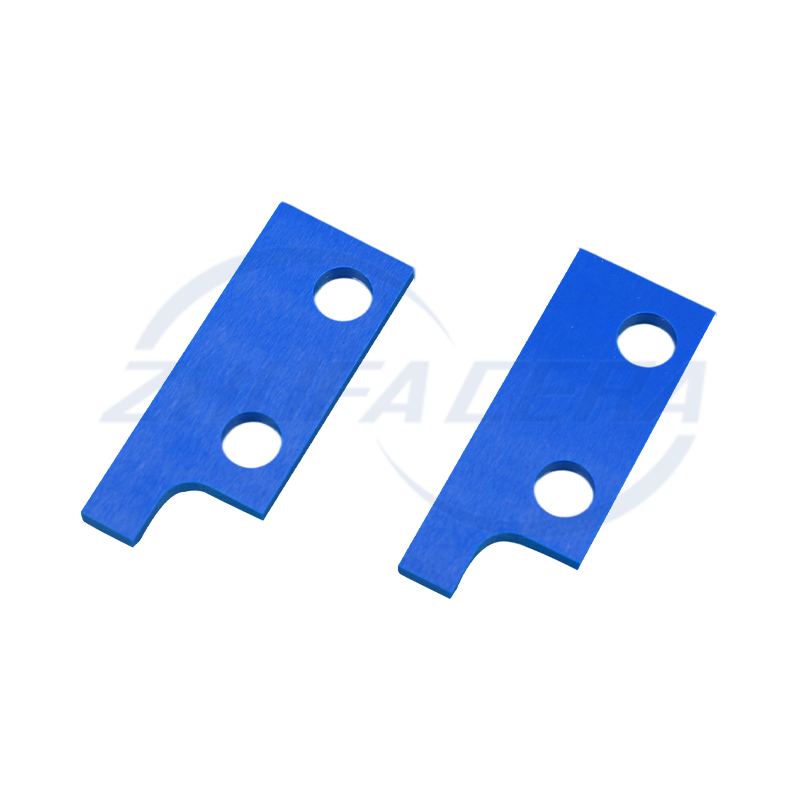
Keraamiset standardiosat ovat tarkasti valmistettuja keraamisia komponentteja, jotka perustuvat kansainvälisiin, kansallisiin tai alan standardeihin. Ne käyttävät korkean suorituskyvyn keraamisia materiaaleja, kuten alumiinioksidia, piinitridiä ja piikarbidia, mikä saavuttaa mikronitason tarkkuuden kehittyneiden muovaus- ja sintrausprosessien avulla. Niissä yhdistyvät korkean lämpötilan kestävyys, korroosionkestävyys, korkea eristys, alhainen kuluminen ja bioyhteensopivuus. Ne voidaan standardoida tyypillisten rakenteiden, kuten kierteiden, laakereiden, tiivisterenkaiden ja eristeiden, tuottamiseksi. Niitä käytetään laajalti korvaamaan perinteisiä metalli- tai muoviosia huippuluokan sovelluksissa, kuten elektroniikkapakkauksissa, puolijohdelaitteissa, kemiallisessa korroosiosuojauksessa, ilmailun lämpösuojauksessa ja lääketieteellisissä implanteissa. Ne lyhentävät tehokkaasti T&K-syklejä, vähentävät ylläpitokustannuksia ja lisäävät merkittävästi laitteiden luotettavuutta ja käyttöikää äärimmäisissä käyttöolosuhteissa.
Tietoja meistä
Zhejiang Zhufa Precision Ceramics Technology Co., Ltd.
Zhejiang Zhufa Precision Ceramics Technology Co., Ltd. on valmistusyritys, joka keskittyy kehittyneiden keraamisten materiaalien ja tarkkuuskeraamisten rakenneosien räätälöityyn käsittelyyn. Sen pääkonttori sijaitsee Shaoxingissa, Zhejiangin osavaltiossa, Jangtse-joen suiston ydinalueella Kiinassa. Perustamisestaan vuonna 2022 lähtien Zhufa on aina noudattanut käsitettä "erinomaisten materiaalien tiukka valinta, älykäs valmistus, huolellinen tarkastus ja vilpitön palvelu" ja on sitoutunut tarjoamaan vakaita ja luotettavia keraamisia tuotteita ja yksilöllisiä ratkaisuja maailmanlaajuisille teollisuusasiakkaille. Yrityksellä on 30 000 neliömetriä nykyaikaista laitosta ja yli 50 ydinlaitetta, mukaan lukien kuivapuristusmuovauskone, isostaattinen puristuslaitteisto, ruiskupuristuskone, korkean lämpötilan sintrausuuni, CNC-kaiverruskone, pintahiomakone, keskitön hiomakone, lävistyskone, hiontakone jne., joissa on täysi prosessin tuotantokapasiteetti, koko raaka-aineista valmiisiin tuotteisiin.
Yhtiön tärkeimmät rakennekeraamiset tuotteet kattavat erilaisia materiaaleja, kuten zirkoniumoksidin, alumiinioksidin, piinitridin, piikarbidin, alumiininitridin jne. Osien tyyppejä ovat keraamiset tangot, keraamiset putket, keraamiset levyt, tiivisteet ja monimutkaiset erikoismuotoiset osat, joita käytetään laajalti puolijohdeteollisuudessa, laserteollisuudessa, tarkkuusenergiateollisuudessa, lääketieteellisissä laitteissa, tarkkuuslaitteissa, tarkkuuslaitteissa, lääketieteellisessä teknologiassa. soittimia. Teollisuuden ja kaupan yhdistävänä lähdetehtaana Zhufa tukee räätälöintiä, nopeaa prototyyppien valmistusta, pienten erän joustavaa tuotantoa ja OEM-yhteistyötä. Perustamisestaan lähtien yritys on investoinut yli 10 miljoonaa yuania tutkimukseen ja kehitykseen ja jatkaa materiaalien koostumusten ja prosessointiteknologian optimointia pitäen aina laadun ytimenä, toimitusta takuuna ja palvelua liikkeellepanevana voimana pitkän aikavälin arvon luomiseksi asiakkaille.
Viesti Palaute
Alan osaaminen
1. How Does Sintering Control Ensure the Performance of New Ceramic Standard Parts?
Sintering stands as the most critical step in manufacturing new ceramic materials, directly determining the density, strength, and stability of keraamiset vakioosat . This process involves heating green bodies to high temperatures (below the material’s melting point) in controlled atmospheres, allowing ceramic particles to bond tightly while reducing porosity. For different materials, sintering parameters vary significantly: silicon carbide (SiC) often requires sintering aids and high temperatures above 2000°C, while zirconia (ZrO₂) needs precise control of holding time to avoid phase transformation issues .
Practical control points include atmosphere regulation (inert gas for silicon nitride to prevent oxidation) and temperature ramp rate—too rapid heating can cause cracking due to uneven thermal expansion . Manufacturers like Zhejiang Zhufa Precision Ceramics Technology Co., Ltd. rely on advanced high-temperature sintering furnaces to maintain consistent conditions, ensuring the sintered bodies meet the wear resistance and high-temperature requirements for automotive and photovoltaic applications . Lisäksi esisintrausvaiheet sideaineiden poistamiseksi ovat kriittisiä vikojen välttämiseksi lopullisen sintrausprosessin aikana.
2. Mitkä tarkkuustyöstötekniikat ovat välttämättömiä keraamisten standardiosien toleranssien täyttämiseksi?
Ceramic materials’ high hardness and brittleness make post-sintering precision machining a challenge, yet it is vital for achieving the tight tolerances required for standard parts . Common techniques are tailored to different precision needs: surface grinders ensure flatness within micrometers, while CNC engraving machines handle complex geometries for electronic control unit components . Keskettömät hiomakoneet ovat ihanteellisia sylinterimäisille osille, kuten keraamisille akseleille, säilyttäen halkaisijan yhtenäisyyden, joka on kriittinen kokoonpanon kannalta.
The choice of machining tools is equally important—diamond grinding wheels and tools are mandatory to process materials like alumina (Al₂O₃) and silicon carbide without causing chipping . Zhejiang Zhufa Precision Ceramics Technology Co., Ltd. equips its production base with a full set of precision machining equipment, including pin grinders and honing machines, to achieve the high precision demanded by semiconductor wafer handling and petrochemical seal parts . For low-volume standard part orders, combining multiple machining processes while controlling feed rates minimizes material waste and ensures consistency .
3. Kuinka valita oikea uusi keraaminen materiaali tiettyihin vakioosasovelluksiin?
Selecting the appropriate ceramic material is foundational to meeting the performance requirements of standard parts across industries, as each material offers unique properties . Keskeisiä valintakriteereitä ovat sovelluksen toimintaympäristö ja toiminnalliset tarpeet:
Wear and corrosion resistance: Silicon carbide (SiC) is preferred for petrochemical pump parts, as it withstands harsh chemical environments and reduces maintenance costs .
Thermal conductivity and insulation: Aluminum nitride (AlN) excels in semiconductor heat sinks, while alumina (Al₂O₃) is chosen for photovoltaic coating equipment due to its balanced insulation and high-temperature resistance .
Mechanical strength and toughness: Zirconia (ZrO₂) is ideal for automotive sensor components, as its toughness prevents breakage under vibration .
Manufacturers with cross-industry expertise, such as Zhejiang Zhufa Precision Ceramics Technology Co., Ltd., often guide clients in material selection based on application specifics—for example, recommending silicon nitride (Si₃N₄) for high-load engine parts due to its excellent thermal shock resistance . Pienen erän prototyyppien testaus valitulla materiaalilla auttaa myös varmistamaan suorituskyvyn ennen standardiosien massatuotantoa.
4. Mitkä laadunvalvontatoimenpiteet takaavat uusien keraamisten standardiosien luotettavuuden?
Luotettava ceramic standard parts vaativat tiukkaa laadunvalvontaa (QC) koko valmistusprosessin ajan, ei vain lopputarkastusta. Incoming QC starts with raw material testing—powder purity (e.g., semiconductor-grade alumina requiring >99.9% purity) and particle size distribution are verified to avoid sintering defects . Tuotannon aikana prosessin aikana tehtävät tarkistukset sisältävät viherkappaleen tiheyden mittaukset ja sintrauskutistumisen tarkkailun lopullisten mittojen ennustamiseksi.
Final QC involves multiple dimensions: dimensional testing with coordinate measuring machines (CMMs) ensures compliance with standard tolerances, while non-destructive testing detects internal cracks invisible to the naked eye . Zhejiang Zhufa Precision Ceramics Technology Co., Ltd. adheres to strict QC systems, inspecting each batch for properties like surface roughness and mechanical strength—critical for ensuring the reliability of parts used in fuel cells and braking systems . For high-purity applications like semiconductors, additional testing for impurity content (e.g., alkali metals <100ppm in AlN) prevents process contamination .


-
Pikalinkit
Kotiin Tuotteet Tietoja meistä Palvelut Tekniikka Uutiset Ota yhteyttä -
Tuotteet
Keraamiset rakenneosat Zirkonia keramiikka Alumiinioksidi Keramiikka ZTA Keramiikka Piinitridikeramiikka Piikarbidikeramiikka Keraamiset ruiskuvaletut osat -
Tietoja meistä
Tehdaskierros Kunnia FAQ -
Yhteystiedot
+86-188 8878 5188zf@zfcera.comNo. 1, Xinggong Road, Anchang Industrial Park, Keqiao District, Shaoxing City, Zhejiangin maakunta, Kiina -
QR-koodi
